Arm Lengthening Surgery
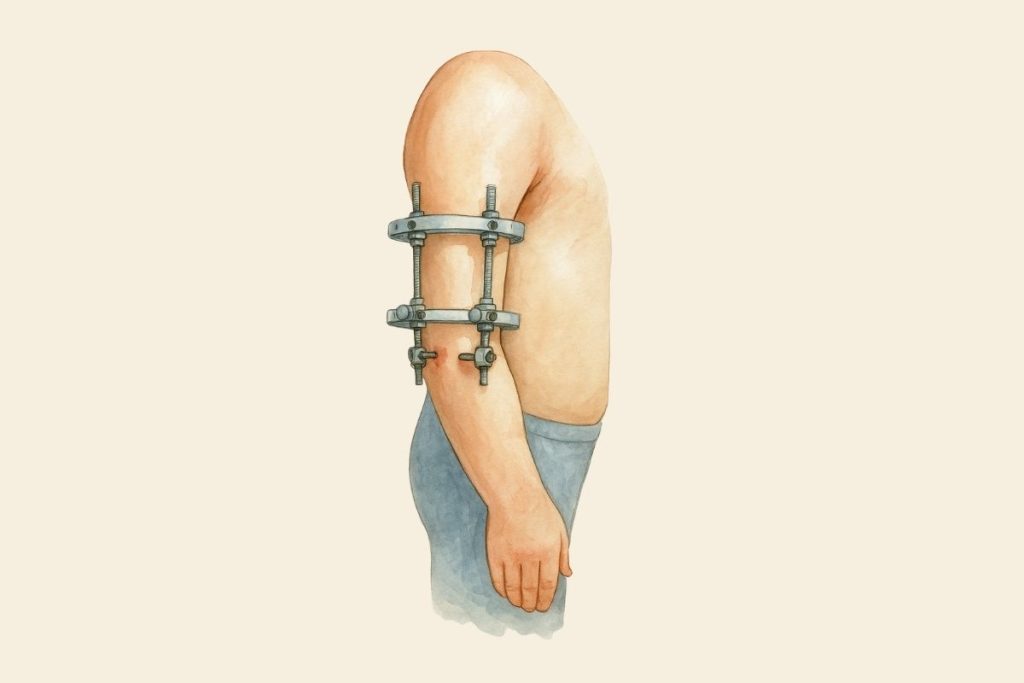
Arm lengthening surgery is a special orthopedic treatment method applied to children with short arms due to genetic reasons (e.g. achondroplasia). This surgery can be planned for both aesthetic and functional purposes. Over time, a short arm can lead to functional difficulties in daily life (putting on clothes, lifting hands above the head, writing, etc.). […]
Osteogenesis Imperfecta

Osteogenesis imperfecta (OI), commonly known “brittle bone disease”, is an inherited connective tissue (collagen metabolism) disorder that causes bones to be more fragile than normal. Frequent fractures, skeletal deformities, dental problems (dentinogenesis imperfecta), hearing loss and short stature are common in this disease. In the mild form, children are followed only with fractures, whereas severe […]
Brachial Plexus Paralysis (Congenital Arm Paralysis)

Brachial plexus paralysis is paralysis of the upper limb caused by stretching or tearing of the nerve network in the shoulder area (brachial plexus) during labor. It is usually seen in difficult deliveries, large babies or breech presentation (buttocks in front). This condition can cause partial or complete loss of movement in the arm from […]
Limb Length Inequality
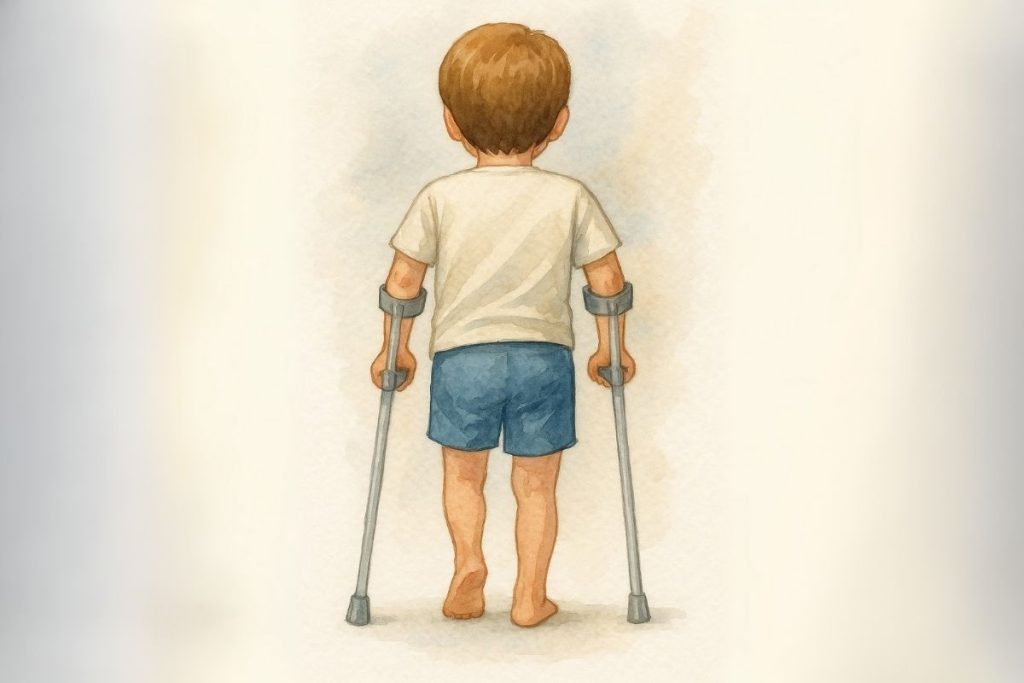
Limb length inequality is a common orthopedic condition in childhood characterized by one leg being shorter than the other. In some children, this difference is a few millimeters, while in others it can be several centimeters. The disparity may be due to a congenital bone development disorder or may develop after fractures, infections or neuromuscular […]
Gait Analysis (Three-dimensional-Computerized Gait Analysis)

Gait analysis is a comprehensive examination to evaluate the gait pattern in children in detail. It is a critical tool for making an accurate diagnosis and shaping treatment planning, especially in cases such as neuromuscular diseases (e.g. cerebral palsy), congenital deformities, leg length discrepancy, prosthetic surgery, device use (e.g. AFO), sports medicine or. In this […]
Botulinum Toxin Injection
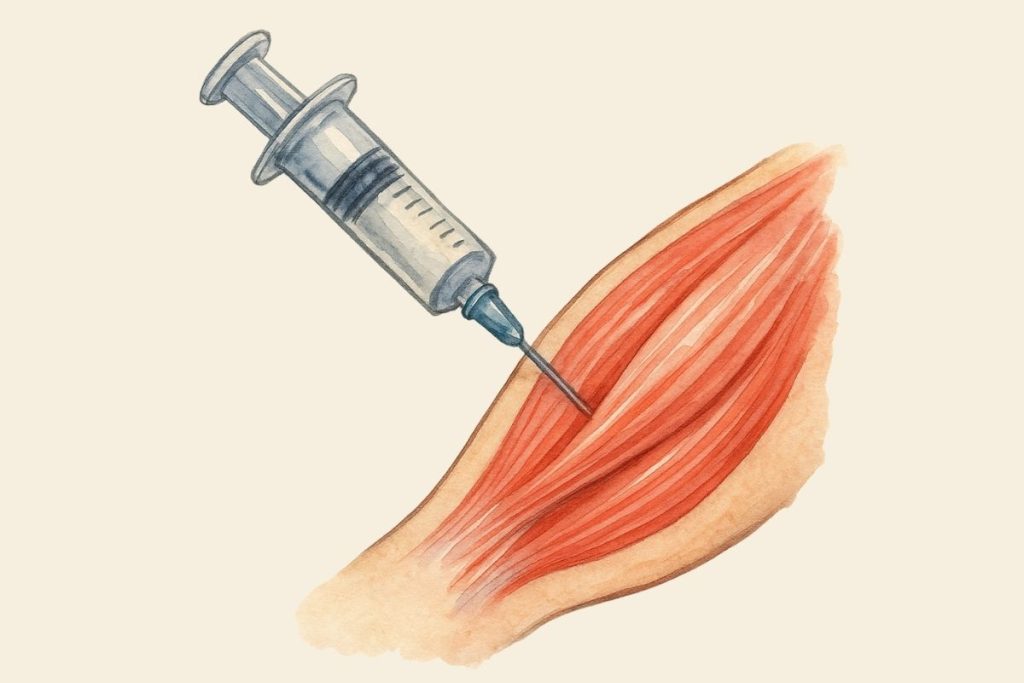
Botulinum toxin (Botox) injection is a non-surgical (medical) treatment method used to reduce muscle tone and increase mobility in diseases characterized by spasticity, especially in children. The most common area of use is cerebral palsy; however, it can also be used effectively in congenital muscle shortness or nerve paralysis. Botulinum toxin is injected directly into […]
Scoliosis
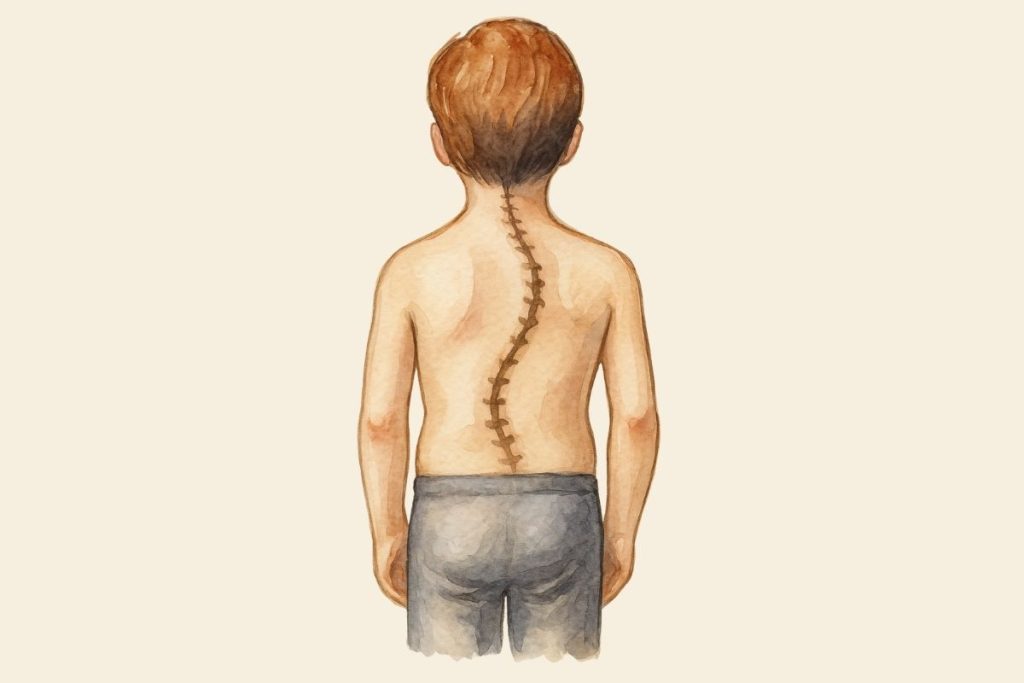
Scoliosis is a three-dimensional spinal deformity in which the spine bends to the right or left and rotates around its axis at the same time. It is one of the most common skeletal problems in childhood and adolescence. Scoliosis usually does not cause any significant complaints; however, as it progresses, symptoms such as poor posture, […]