Equinus Deformity
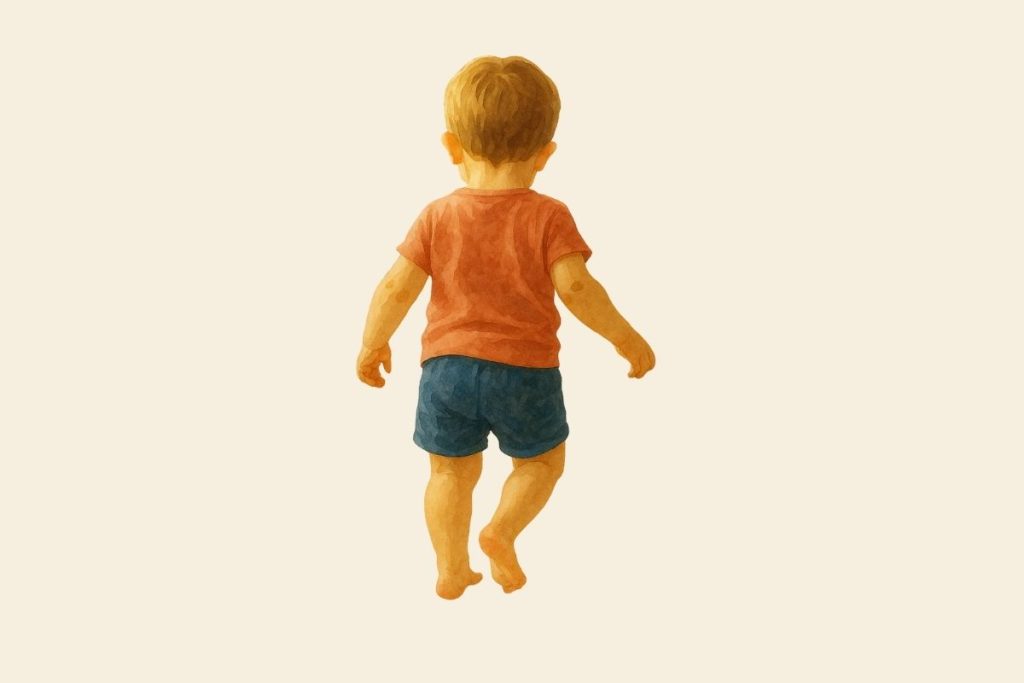
Equinus deformity is when the ankle remains in an excessive plantar flexion position (bent down). This leads to tiptoe walking in the gait pattern. Among the most common causes: Cerebral palsy Congenital muscle shortness (gastrocnemius-soleus) Nerve paralysis is involved. In the long term, equinus deformity leads to imbalance in the leg muscles, lack of heel […]
Hallux Valgus

Hallux valgus is a deformity characterized by a bony protrusion on the inner side of the big toe that bends outward and approaches the second toe. It may also occur secondary to primary disorders such as thigh and shin bone rotations and flat feet. With aesthetic impairment of the foot: Callus formation Pain in the […]
Deformity Surgery
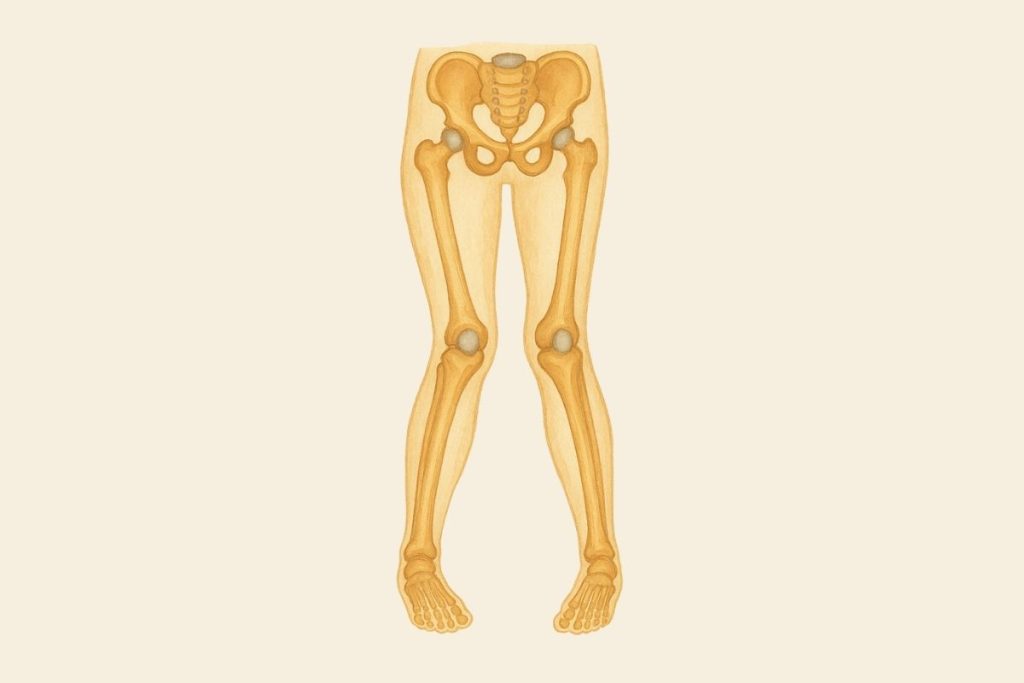
Deformity surgery is a set of special surgical procedures performed to correct congenital or acquired bone and joint deformities. Common deformities in children are as follows: Foot and knee deformities (genu varum/valgum, pes planus, equinus, etc.) Hip development problems Limb shortness or curvature Applied surgical techniques: External fixator/Ilizarov method: Gradual lengthening and redirection of the […]
Perthes Disease
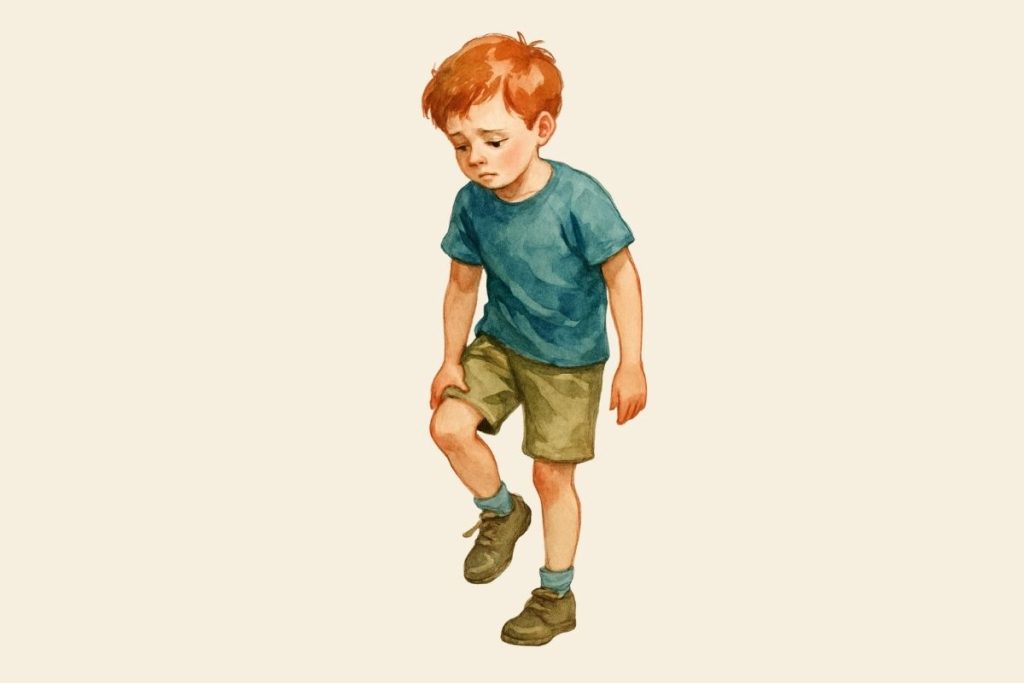
Perthes’ disease is an osteonecrosis (bone collapse) disease that occurs in children as a result of temporary impairment of the blood supply to the femoral head (femoral head) that forms the hip joint. It usually occurs in boys between the ages of 4 and 10. The first symptoms of the disease: Limping Pain in the […]
Congenital Club Foot (Pes Equinovarus)
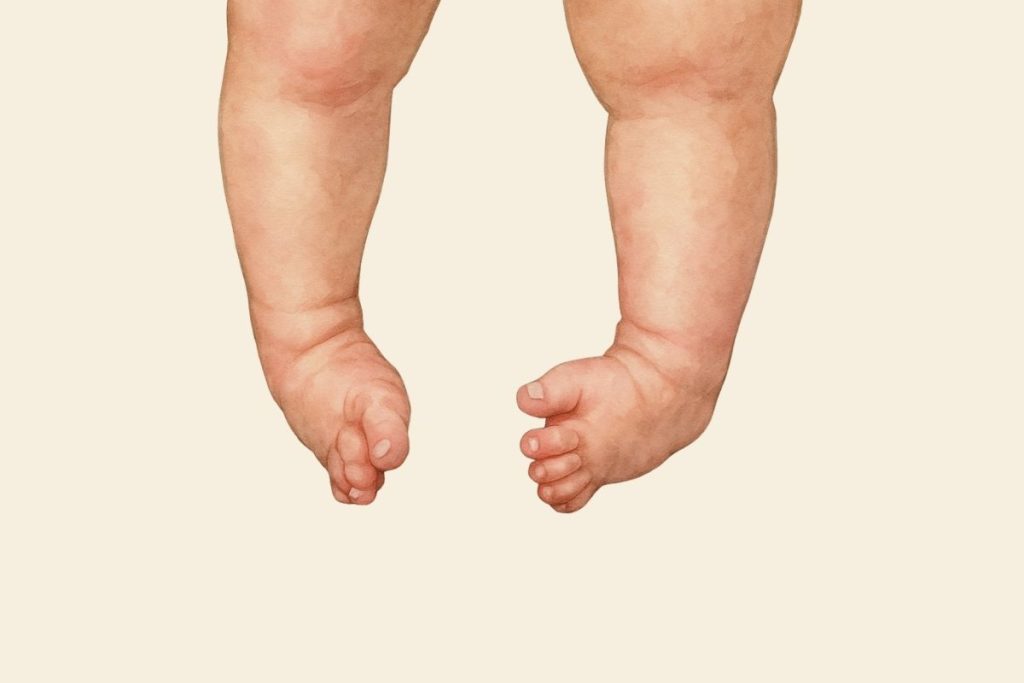
Pes equinovarus is a congenital foot deformity in which the feet are turned inward, bent down and in a rigid position. It occurs in about one in every thousand live births and is more common in male babies. This deformity is easily recognized by families at birth. The diagnosis is made by physical examination, and […]
Skeletal Dysplasias
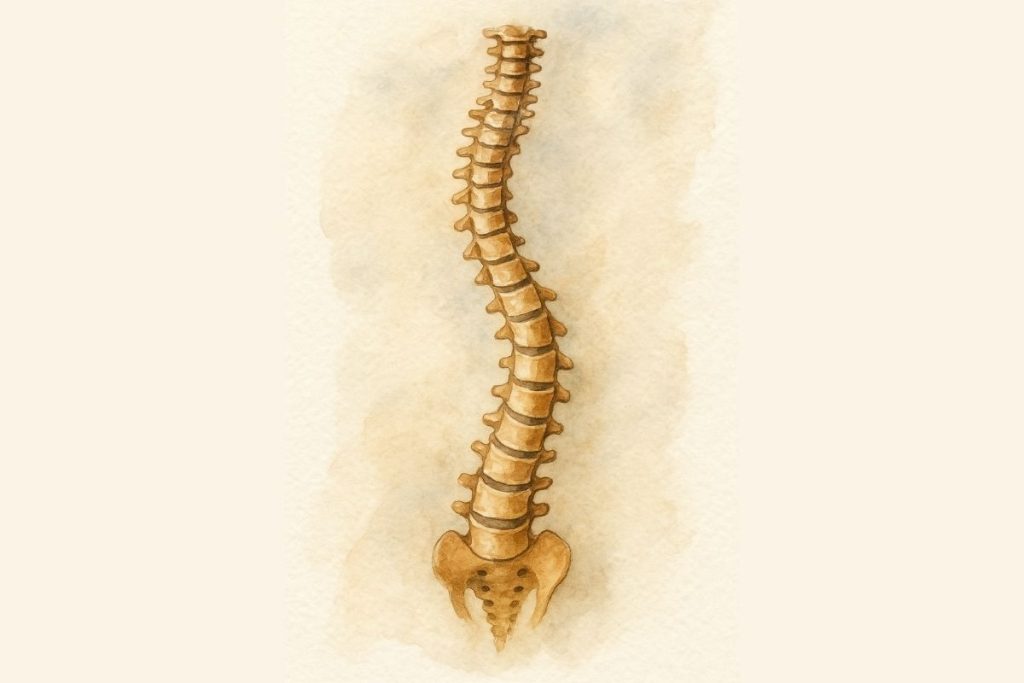
Skeletal dysplasias are a group of inherited diseases characterized by developmental disorders of bone and cartilage tissues. These conditions can cause different clinical pictures such as short stature, disproportionate limb development, joint stiffness and spinal deformities. Diagnosis is usually based on postnatal physical examination, bone x-rays, genetic analysis and growth monitoring. The orthopedic approach includes […]
Acondroplasia
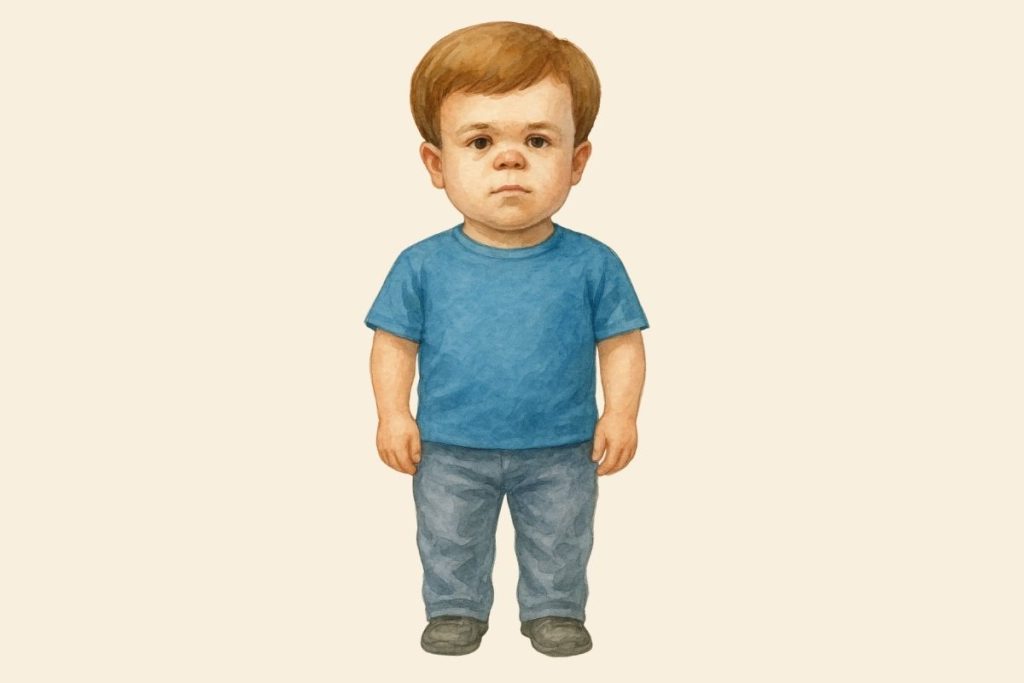
Achondroplasia is the most common cause of dwarfism in the world. There is a problem with the growth plates of the long bones, resulting in disproportionately short stature. In individuals with achondroplasia, the head is large, the arms and legs are short, but the trunk is of normal size. Orthopedically, the following problems are seen: […]
Spondyloepiphyseal Dysplasia

Spondyloepiphyseal dysplasia is a rare genetic disorder that affects the development of the bones of the spine and epiphysis (joint ends). It is recognized in early childhood. It is characterized by marked short stature, short trunk, spinal curvatures and joint stiffness. Common orthopedic problems in this disease: Scoliosis and kyphosis Developmental delay in the hip […]
Limb Lengthening Surgery
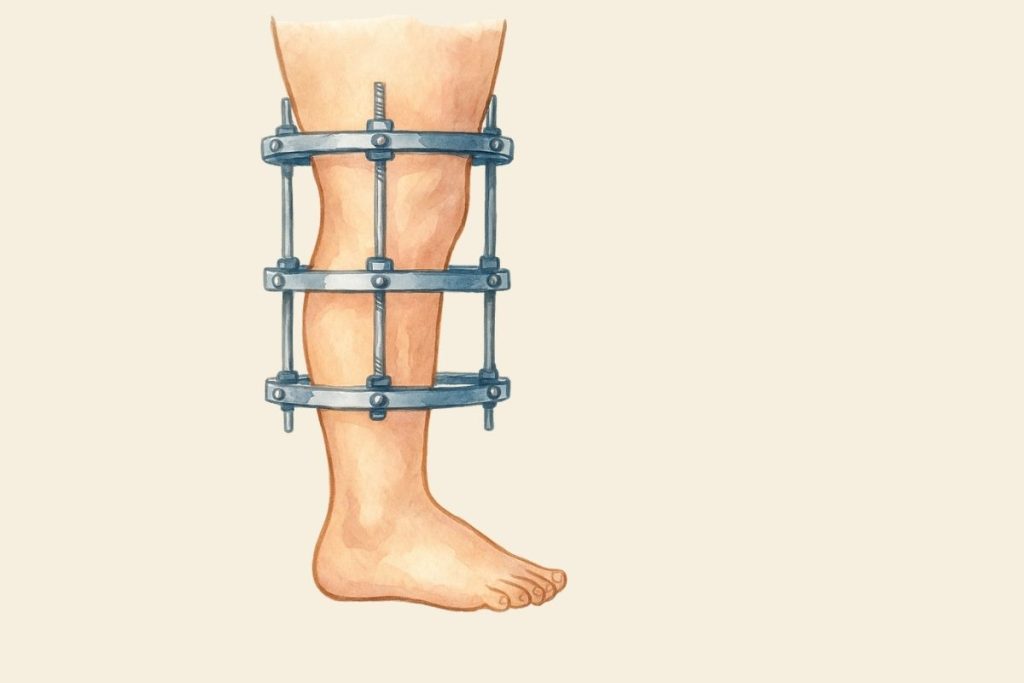
Lengthening surgery is a specialized surgical procedure for short stature due to genetic causes. It is often performed in skeletal dysplasias such as achondroplasia, spondyloepiphyseal dysplasia or inadequate height development. Main methods applied: External fixator/Ilizarov method Motorized nail Combined methods (nail + external fixator) In this procedure, the bone is cut in a controlled manner […]
Limb Lengthening Surgery
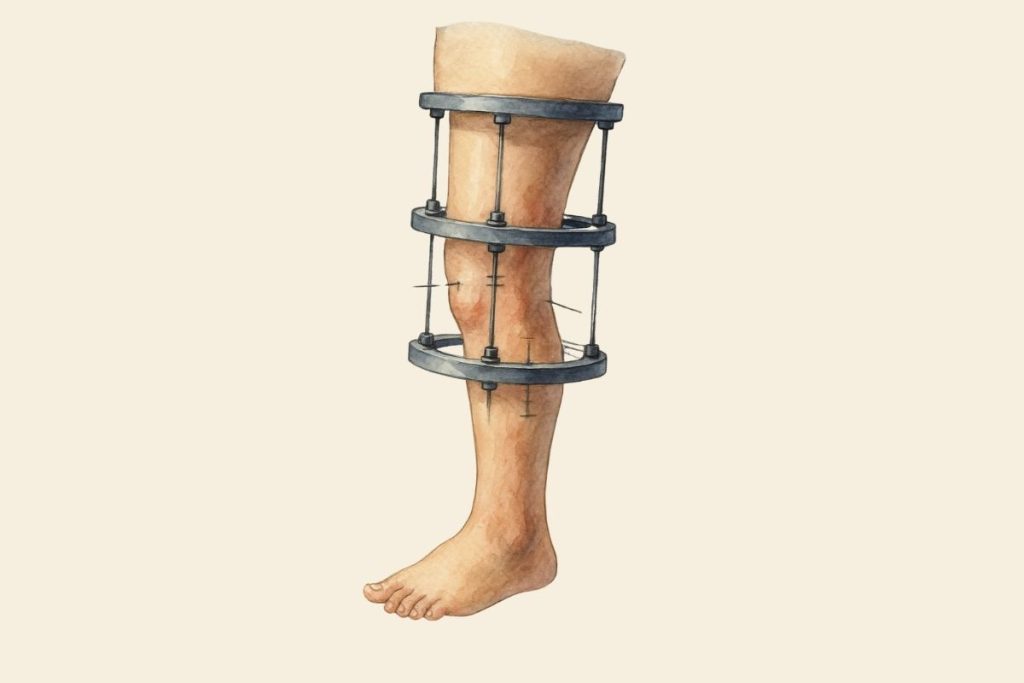
Limb lengthening surgery is an effective treatment method used to eliminate congenital or post-traumatic leg length inequalities. It is also used to compensate for shortness after skeletal dysplasia or tumor surgeries. Techniques used External fixator/Ilizarov method Motorized nail External fixators Combined methods (nail + external fixator) Post-surgical process : Every day a certain amount of […]