Developmental Hip Dysplasia (DDH), Congenital Hip Dislocation
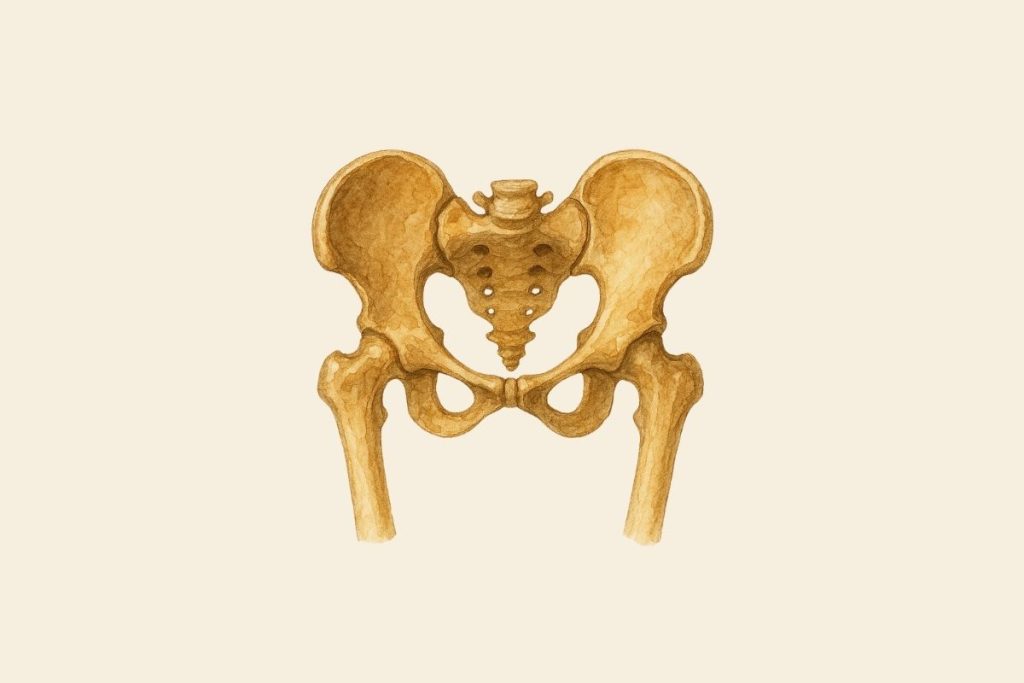
Developmental hip dysplasia (DDH) is a disorder in which the relationship between the ball of the hip joint (femoral head) and its socket (acetabulum) is disrupted because of a deficiency in the anatomical development of the hip joint. This disorder can be manifested not only as hip dislocation but also as insufficient deepening of the […]
Proximal Femoral Deficiency

Proximal femoral deficiency is a rare condition characterized by a developmental deficiency or abnormality of the femur close to the hip with severe functional consequences. In this disease, the femoral head is either never formed or fails to articulate properly with the acetabulum. As a result, hip stability is lost and severe limb length discrepancy, […]
Congenital Pseudoarthrosis of Tibia (CPT)

Congenital pseudoarthrosis of the tibia is a congenital deformity of the tibia characterized by a nonunion and fracture-like structure. The bone is weak, curved and prone to fracture. The congenital diseased tissue prevents the bone from integrating, or there is no healing after the fracture occurs, and over time the child’s walking capacity is severely […]
Tibial Hemimelia

Tibial hemimelia is a rare congenital disorder characterized by partial or complete absence of the tibia (shin) bone, leading to severe functional limitations. Deformity of the foot, limitation of knee movements and limb length discrepancy are the most common clinical symptoms. The diagnosis is usually made at the first postnatal examination. This disorder is often […]
Fibular Hemimelia
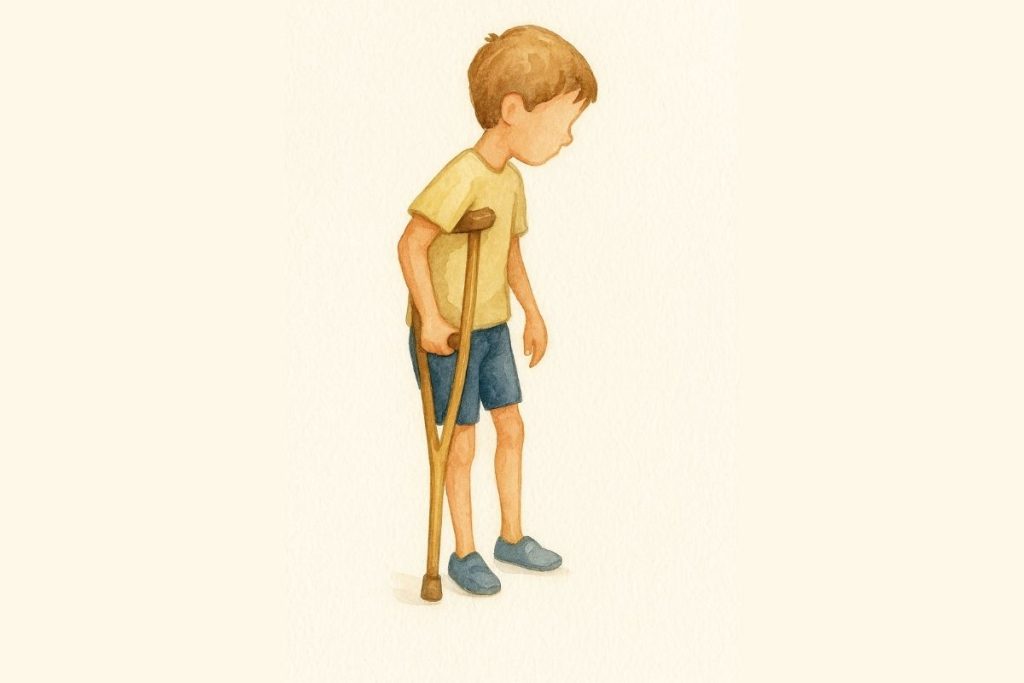
Fibular hemimelia is a skeletal disorder in which the fibula bone in the outer part of the calf is congenitally absent or short. This condition can cause limb length discrepancy, knee and ankle alignment problems and various deformities in the foot. Finger deficiencies, heel bone deformities and ankle instability are common accompanying pathologies. The diagnosis […]
Spina Bifida (Meningomyelocele)

Spina bifida is a neural tube defect in which the membranes surrounding the spinal cord and sometimes the spinal cord protrude outward as a result of incomplete development of the spine in the womb. The most severe form, meningomyelocele, is usually seen in the lumbar region and is characterized by multiple problems such as difficulty […]
Genu Varum (O Leg / Bein)

Genu varum is a lower extremity deformity characterized by the legs flaring outward from the knees, forming the shape of the letter O. It may be physiologic in infancy and usually resolves spontaneously by 2-3 years of age. However, in some children, the deformity becomes progressive or permanent. Among the causes of pathologic genu varum: […]
Genu Valgum (Inward Bending of the Knees)

Genu valgum is a lower limb deformity in which the ankles remain separated while the knees approach each other, and the legs look like the letter X. It can be considered physiologic between 3-7 years of age, but severe and persistent deformities require treatment. Symptoms such as feet hitting each other when the child walks, […]
Congenital Dislocation of the Knee
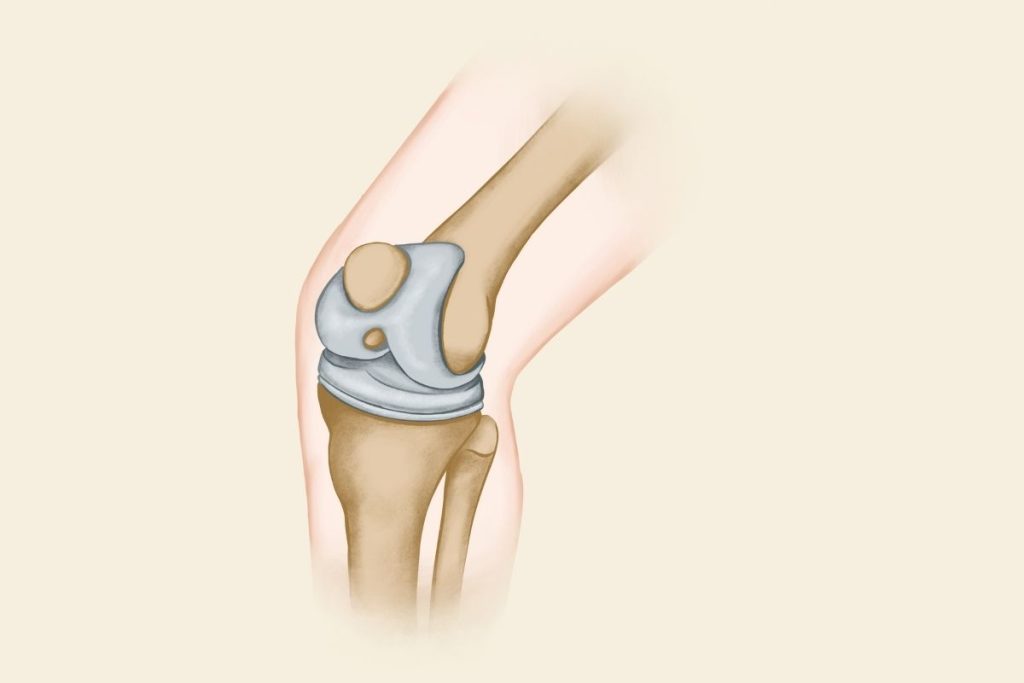
Knee dislocation in childhood can develop due to congenital causes or trauma. In congenital dislocation, the structures in the knee joint have not developed in their normal position and this severely affects the child’s walking. In trauma-related dislocations, sports injuries or falls are common causes. Symptoms include Sudden swelling on the knee Pain and deformity […]
Cavovarus Foot Deformity
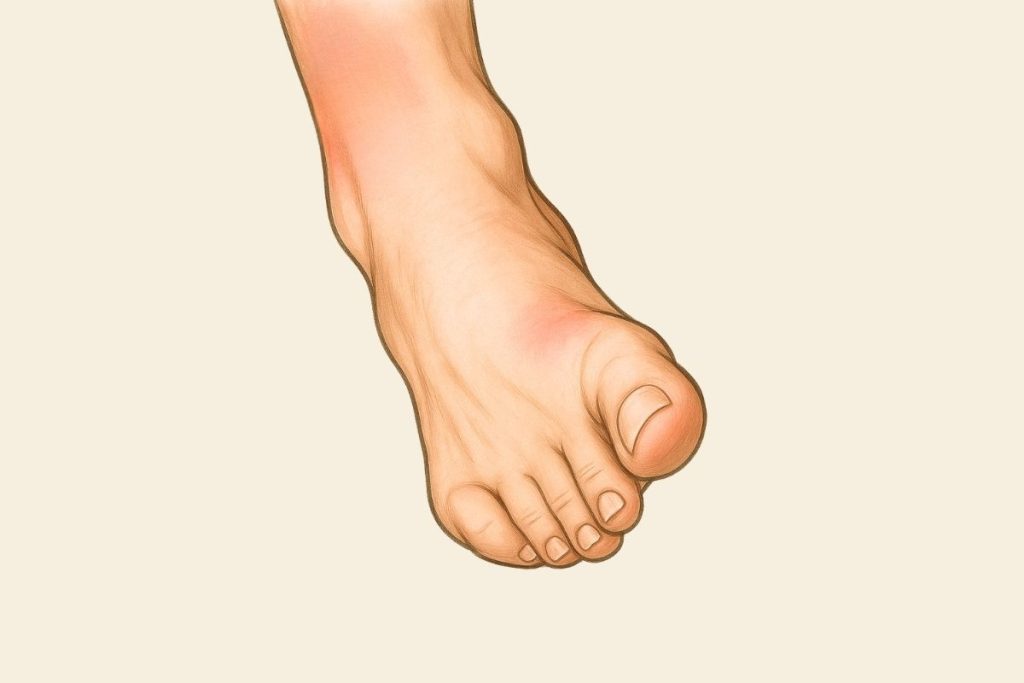
Cavovarus foot deformity is a structural abnormality in which the foot is turned inward with a higher-than-normal medial arch (hindfoot supination + forefoot adduction). It usually develops due to neuromuscular diseases (e.g. Charcot-Marie-Tooth disease, arthrogryposis) and is recognized in childhood. As this deformity progresses: Excessive load on the outer edge of the foot Ankle sprains […]